Measure with the item packed, not bare
A pair of shoes in tissue paper measures larger than a pair of shoes. Whatever is going in the box, wrap it first, then measure the packed shape.

Every parcel-sizing question ends the same way: measure the item, add two inches of padding on each side, and find a carton whose interior fits. The calculator on this site does that from a plain-English item description and hands back the carton dimensions and the parcel rate together, so the box choice and the label price agree.
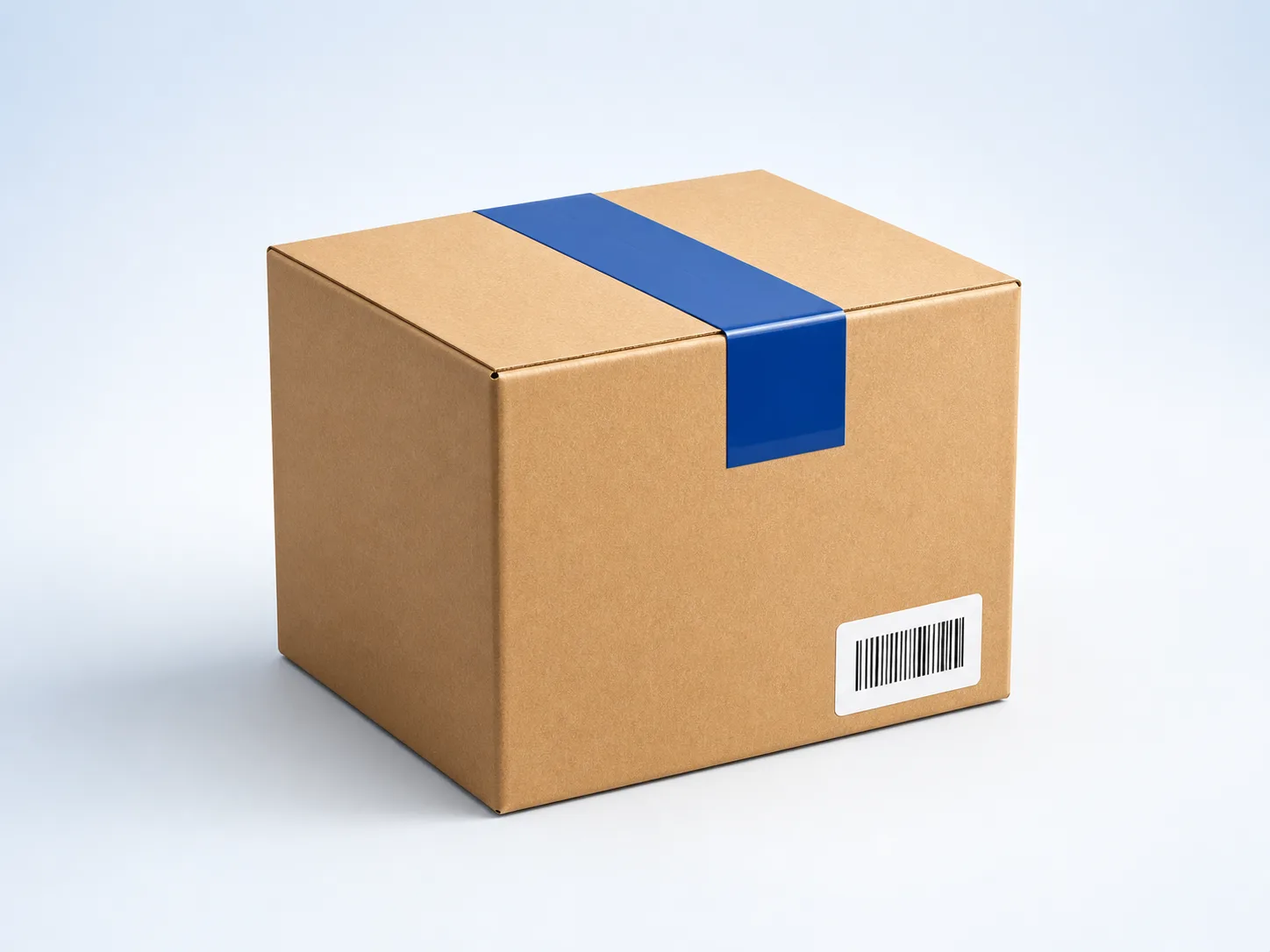
The three numbers that decide box choice and rate together.
A good box choice is not the smallest carton the item will squeeze into, and it is not the biggest carton on the shelf. It is the smallest carton whose interior comfortably fits the item plus the cushioning the item actually needs. That balance is what turns a dim-weight-inflated label into a cheaper weight-priced label and what stops an under-cushioned parcel from becoming a damage claim.
A pair of shoes in tissue paper measures larger than a pair of shoes. Whatever is going in the box, wrap it first, then measure the packed shape.
Two inches on every side for ordinary items, three for fragile, four for double-boxed shipments. Add that to each dimension before picking the carton.
Cartons are made in standard sizes. Round the calculated dimensions up to the nearest common carton so the box is buyable and the fit stays snug.
A hardcover book measured at 10 × 7 × 2 in with a wrap and a small book protector becomes 11 × 8 × 3 in. That fits a standard 12 × 9 × 3 in book carton with padding to spare and lands on Media Mail if the destination allows. A pair of adult sneakers at 13 × 9 × 5 in packed becomes 15 × 11 × 7 in with cushioning; the closest common carton is 16 × 12 × 8 in, which ships parcel on all three networks.
The tool applies the same arithmetic to a much wider vocabulary of items, and it recognises awkward categories — guitars, framed art, bikes, propane heaters, wheels — that need purpose-built cartons rather than a generic cube. Describe the item on the SMKlog calculator, add the destination ZIP, and the carton size and the label price come back together.
If the item plus padding will fit inside one of USPS's Priority Mail flat-rate boxes, the sizing question has a shortcut answer: use the smallest flat-rate that fits, because the postage does not care about weight up to 70 lb or about zone. That works particularly well for a heavy short-run parcel like a stack of Harry Potter paperbacks to the coast. Above the large flat-rate box or over 70 lb, the parcel needs a weight-based label and a right-sized carton the sender supplies.
Measure the item, add two inches on each side for cushioning, and pick a carton whose interior is at least that size. Describe the item in the SMKlog calculator and it returns a packed dimension plus the parcel rate for that carton in one pass.
Two inches on every side for ordinary items, three inches for fragile items, four inches for anything that will double-box. That is what carrier packing guides converge on, and it is what stops corner impact from reaching the item inside.
Once a parcel exceeds about a cubic foot, dimensional weight comes into the price and every extra inch of empty box adds cost. Sizing tight to the item plus padding keeps the label price honest.
For items that fit inside one of the eleven Priority Mail free shapes, yes. Flat-rate wins on heavy or coast-to-coast parcels. Anything longer than the large flat-rate box or heavier than 70 lb needs a weight-based label and a carton the sender supplies.
Odd-shape items have dedicated guides on this site. Describe the item in the calculator too; the tool recognises common item types and returns a purpose-built carton size rather than a generic one.