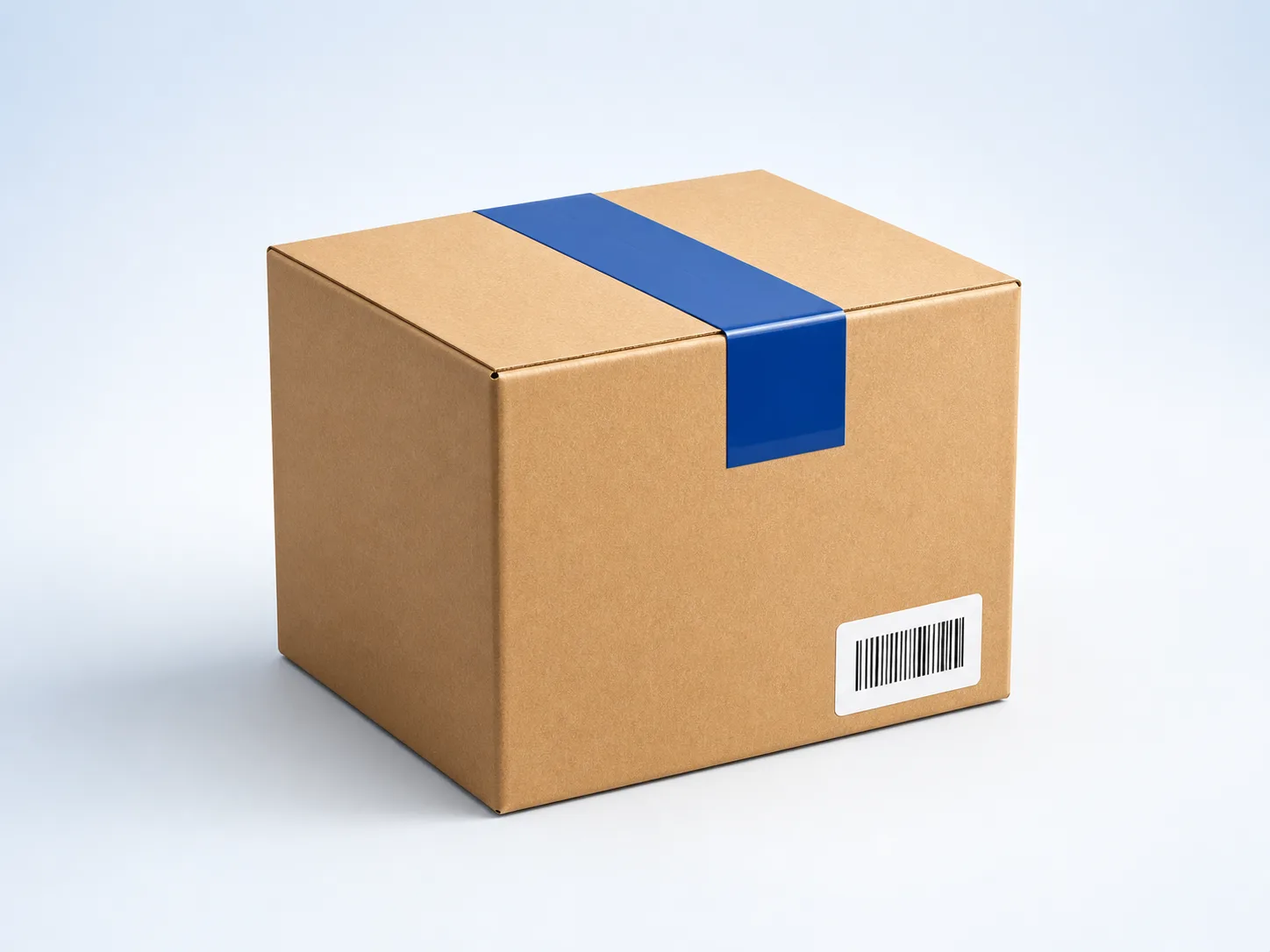
Fragile items

How to ship glass so it arrives whole

Glass survives a parcel network only when the box does the work: two inches of cushion on every side, an inner container immobilizing the piece, and an outer container strong enough that the middle stays hollow if it lands on a corner. The method below covers bottles, panes, plates and glassware; the protection rules refer to USPS carrier terms read 2026-08-11.

Method, not just tipsWhat protection to buyReal-world failure modes
A glass vase inside a double-wall shipping box with foam padding
The box does the work

A sticker asks for care. Two inches of cushion delivers it.

The rule that covers every kind of glass

Wrap the glass, immobilize it inside an inner box, cushion at least two inches all around inside an outer box, and pick an outer box strong enough for the trip. That single rule handles bottles, glassware, plates, panes, framed items and lamp bases; the differences are how you get to it.

Bottles and glassware

Foam sleeve or three layers of small-cell bubble around each piece. Stand them upright in an inner box divided by corrugated inserts. Nest the inner box in the middle of an outer box with two inches of paper or bubble on every face. Seal both boxes on top and bottom seams with 3-inch tape.

Plates and flat glassware

Wrap each plate individually, then stack on edge rather than face down — a stack on the flat spreads a drop across every plate. Sandwich the stack between two pieces of rigid cardboard cut to size, and treat that unit as the inner box.

Panes and mirrors

Tape a large X across the face with painter's tape so a crack does not shatter free. Slide the pane inside a rigid foam-lined mailer or a purpose-built mirror box, then place that inside a slightly larger outer box with two inches of cushion around every edge.

Cushioning that keeps working during the trip

Bubble wrap loses air when it is punctured. Foam holds its shape until crushed. Packing peanuts settle in transit, which is how a shoulder ends up against a wall by the time the parcel is unloaded. Kraft paper crumpled into fist-size balls, packed tight enough that shaking the outer box moves nothing, is the material that survives the whole trip; it is also the material most people already have.

Fill the corners first — the parts of a box that hit the ground on a drop — and work inward. If you can hear the piece move, add more. A useful sanity check is to hand the sealed outer box to someone else and ask them to shake it hard for ten seconds. If they can identify what is inside from the sound, unpack and start again.

Outer boxes that do not fold on impact

Single-wall corrugated is fine for anything soft. For glass, buy double-wall corrugated for the outer box and single-wall for the inner. Boxes are stamped inside the bottom flap with a box maker's certificate; the burst strength or edge crush test rating tells you what it can take. 275 lb burst or 44 ECT is a common minimum for glass and ceramics. New boxes hold that rating; a reused box that has been folded and stored has already lost some of it.

Both flap seams and both side seams need clear 3-inch tape. A tape gun cuts an even piece; hand-tearing leaves the corner short, and that is where a wet dolly wheel splits a box. Use the tape H-pattern on the bottom of the outer box before you load it.

What FRAGILE stickers actually buy

The parcel networks read barcodes, not warnings. A carton going down a chute in a hub sorts by dimension and weight; a THIS SIDE UP arrow is invisible until the last mile driver walks the box to the door. The last mile is where more than half of the recorded drops happen, so a subtle set of arrows and a small “glass, this side up” sticker are worth adding. What is not worth doing is treating the sticker as protection. The box is protection; the sticker is a courtesy.

Protection worth paying for

USPS Priority Mail and Ground Advantage include $100 of protection with each shipment; every dollar above that has to be bought as an add-on. UPS and FedEx accept declared value that raises the carrier's liability, and both sell an extended handling program for signature items over a threshold. On this site the same coverage is offered at checkout as shipping protection; the underlying number is what the carrier or the third-party program will pay when a claim is filed.

The rough rule for glass: buy protection to the resale price whenever repair is not feasible and the ship-again cost is meaningful. A mid-priced lamp base with a two-week lead time is worth the small premium that raises coverage above the bundled $100; a cheap tumbler headed to a friend is not. The calculator shows the added premium next to the base rate so you can decide during pricing rather than after.

Where these rules come from

Common questions

Do FRAGILE stickers actually help?

Not enough to rely on. The parcel networks are mostly automated: belts, chutes and diverters see barcodes, not warnings. Stickers help the last mile carrier decide which side goes up, and that is worth what they cost, but the packing has to survive rough handling on its own.

Does double boxing actually add much?

It changes what breakage means. In a single box a hard impact reaches the glass; in a double box the outer walls compress, the two inches of cushion absorb the shock, and the piece stays intact. The lost volume costs a small step of dimensional weight and buys a large step of survival.

Is shipping protection worth buying for glass?

For an item worth more than the $100 that USPS Priority Mail and Ground Advantage include, and where you would repurchase or refund on a break, yes. For a cheap vase to a friend, probably not; for a mid-priced lamp base to a buyer, absolutely.

What is the single biggest packing mistake with glass?

Contact with the outer box. Any point of the glass that touches the inner surface of the outer box has a direct path for an impact. Two inches of cushion on every side, immobilized, is the rule. Loose peanuts settle in transit and leave a shoulder exposed.

How much cushioning is enough?

Two inches all around for anything the size of a wine bottle or a dinner plate; three inches for lamps, hurricane vases and heavy pieces. Shake the outer box; the inner contents should not move at all.