Ocean vehicles

What it costs to ship a vehicle to Hawaii

Nobody sells a car to Honolulu off a price list. The vehicle crosses on a vessel, the rate is set per car against its measured length, width and height and the two ports it travels between, and the figure arrives when the ocean carrier books it. What actually moves that figure is set out further down, drawn from Pasha Hawaii's own published requirements as of 2026-07-29, alongside live parcel prices for the belongings no ocean carrier will let you leave inside the car.

Carrier requirements, quotedRead 2026-07-29Parcel legs priced live
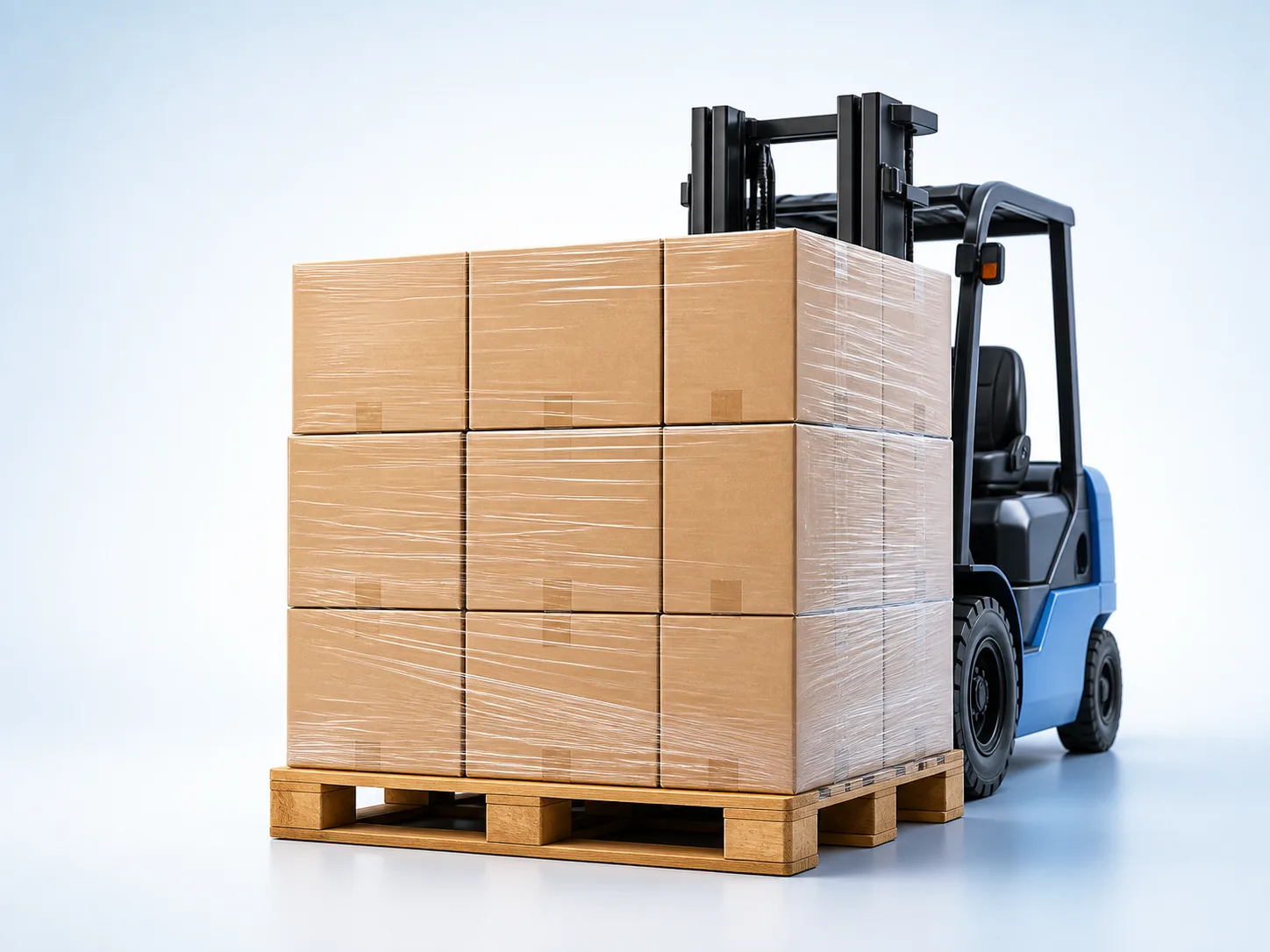
Cargo staged at an ocean terminal
Measured, then booked

A car is priced by the space it occupies on a deck. Everything on this page comes back to that one sentence.

Why there is no sticker price

Ocean carriers rate a private vehicle the way a warehouse rates a pallet position: by how much deck it takes up between two named ports. Pasha Hawaii carries what it lists as a personal car, truck, SUV, van, ATV, golf cart, motorcycle or minivan, and publishes a standard envelope of 21 feet 8 inches long by 8 feet wide by 7 feet high on its vehicle overview page, read 2026-07-29. Anything past that goes to its oversize desk, and its vehicle FAQ says plainly that vehicles exceeding those dimensions are quoted on an individual basis.

That is why a stock sedan and a lifted pickup with a light bar are two different conversations. The preparation guide requires that aftermarket modifications affecting the manufacturer's published dimensions, including custom suspension, racking and spoilers, be disclosed when the booking is made, and warns that failing to disclose them can bring extra charges or a refusal at the gate. Measure the car as it stands today, not as the brochure described it.

Our own position is worth stating before you read further. SMKlog sells United States domestic parcel labels at a checkout, and no setting in the calculator will price a car across the Pacific. Vehicle and ocean requests go through freight review, where a person reads the details and answers with what is possible on your lane. Everything described on this page as a carrier requirement is the carrier's requirement, not ours.

The port pair sets the calendar

Three Hawaii ports take vehicles, and they are not served at the same rhythm. Honolulu gets a weekly call; Kahului and Hilo are on a two-week cycle, which means a missed cutoff on Maui or the Big Island costs a great deal more waiting than the same slip on Oahu.

Hawaii vehicle ports and sailing frequency from Pasha Hawaii's Ship a Vehicle overview; transit figures from its vehicles FAQ, which states them from San Diego. Both pages read 2026-07-29. The clock in the last column starts once the vessel has departed.
Hawaii portIslandSailing frequencyStated transit after departure
HonoluluOahuWeeklyAbout 5 days
KahuluiMauiEvery two weeksAbout 7 days
HiloHawaii IslandEvery two weeksAbout 7 days

The number people misread is the one in the last column. It counts water, not the days your car sits in a yard on the mainland waiting for the vessel it was booked onto, and it does not count the processing at the far end before the car is released. On the mainland side Pasha Hawaii lists vehicle locations in California, Texas and Washington, so an owner in Ohio has a drive or a truck movement to arrange before any of this begins. Build the plan backwards from the sailing date, then add the terminal days at both ends.

What the carrier makes you strip out first

More vehicles get turned away at the gate over preparation than over paperwork, and every rule below is published by the carrier rather than invented by a terminal clerk. This is Pasha Hawaii's Guide for Preparing your Vehicle Shipment, version 2.1 with a version date of 02.04.2026, read on 2026-07-29.

Acceptance requirements as published in Pasha Hawaii's Guide for Preparing your Vehicle Shipment, version 2.1, version date 02.04.2026, read 2026-07-29. Other ocean carriers publish their own guides with their own thresholds.
RequirementWhat the guide says
Fuel in the tankA minimum of one eighth and a maximum of one quarter
Mechanical conditionDrivable, free of leaking fluids, and no special starting instructions
CleanlinessWashed and cleaned thoroughly so an accurate inspection can be made at the origin port, with compartments emptied and vacuumed and the body free of dirt, mud and seeds
Personal itemsAll of them removed; the carrier will not accept a vehicle containing any personal items
What may stayAnything permanently installed, mounted or integral to the vehicle, with a spare tire and jack, an infant car seat, spoilers and factory installed roof racks given as examples
Aftermarket alarmsDisconnected before the vehicle ships, or the carrier accepts no liability for what the alarm does in transit
Electric and plug-in hybridBooked by the registered owner or title holder only, with the battery held between 20 and 50 percent charge from loading until release; below 20 percent the carrier may refuse the car, or adjust the charge and apply a surcharge per vehicle per occurrence
Battery generallyThe carrier states it is not responsible for replacing a battery that goes flat in transit and will attempt a jump start where it is safe to do so

The removable-items list in the same guide is longer than most owners expect, and it is the part worth reading out loud in the driveway. Tools, fire extinguishers, ski and bike racks, radar detectors, portable radios and stereos, CD and tape players, amplifiers, equalizers and unmounted speakers, remote controls, spare keys, cartons, car covers, tailgate nets, steering wheel locks and auto masks all have to come out. The test is mechanical rather than sentimental: bolted on stays, dropped in leaves.

One entry on that list does not simply move into a box. We put a 2.5 lb dry chemical automotive fire extinguisher through our own calculator on the Honolulu lane on 2026-07-29 and the returned option set came back narrower than for a plain carton, two ground services against the five a carton produced. Regulated goods carry declaration rules of their own, which our page on shipping restrictions covers, and the quiet answer is usually to hand the extinguisher to a local fire equipment shop and buy a replacement after you land.

The boxes you are left holding

Empty the car and the contents become a separate shipping problem, which is the part we can actually price. We ran two cartons of clothing and household items to Honolulu on 2026-07-29, once from Berkeley Heights, New Jersey and once from Los Angeles, to see whether the mainland coast changes anything.

Two cartons of clothing and household items, 14 x 12 x 10 in at 10 lb and 18 x 14 x 12 in at 30 lb, quoted 2026-07-29 from Berkeley Heights, NJ 07922 and from Los Angeles, CA 90011, both to Honolulu, HI 96813. Each price is the whole amount checkout collects, and each came back the same from both origins.
Service10 lb carton30 lb cartonDays from New JerseyDays from California
USPS Ground Advantage$29.59$110.5212-13 business days11-12 business days
UPS Ground Saver$48.36$120.137 business days5 business days
UPS Ground$67.51$131.128-9 business days5-6 business days
USPS Priority Mail$49.34$145.254-5 business days4-5 business days
FedEx 2Day$81.26$151.074-5 business days4-5 business days

Not one price moved between the two origins. What moved was the calendar: UPS Ground gave up three business days crossing the continent first, UPS Ground Saver two, and the postal ground line one, while the two fastest tiers held the same window from either coast. Living in California buys you time on this lane, not money.

The weight step is the other thing to look at. Tripling the load from 10 lb to 30 lb close to quadrupled the postal price, so splitting the same thirty pounds across three of the smaller cartons lands under the single heavy one. Pack in units you can lift rather than units you can fill, and check the sealed carton in the calculator before you tape the last one shut.

Thirty days start when the car lands

The shipping half of this ends at the port gate, and a second clock starts there. The City and County of Honolulu, on its motor vehicle registration page read 2026-07-29, gives a vehicle arriving on Oahu 30 days to hold either an out-of-state permit or a Hawaii registration.

Four things go to the counter with you: the valid out-of-state registration and title, the shipping document carrying the vehicle identification number, the completed application for registration, and a Hawaii safety inspection certificate marked failed. That last one reads like a mistake and is not. An out-of-state car cannot pass the inspection until it carries Hawaii plates, so the first check is expected to fail, the failed certificate is what the registration counter accepts, and the vehicle then has 30 days from that initial check to pass at an authorized Hawaii inspection station. Keep the ocean carrier's paperwork somewhere better than the glovebox, because the bill of lading is the document that proves the VIN arrived when you say it did.

Where these rules come from

  • Pasha Hawaii, Ship a Vehicle overview — vehicle types carried, the standard dimension envelope, Hawaii ports, sailing frequency and mainland vehicle locations. Read 2026-07-29.
  • Pasha Hawaii, Vehicles FAQ — transit times stated from San Diego, individual quoting above the standard dimensions, and the requirement that the vehicle be free of all personal belongings with compartments clean and unlocked for inspection. Read 2026-07-29.
  • Pasha Hawaii, Guide for Preparing your Vehicle Shipment — fuel range, mechanical condition, cleaning, the personal effects and aftermarket item lists, alarm systems, electric vehicle state of charge and the inspection survey. Version 2.1, version date 02.04.2026, read 2026-07-29.
  • City and County of Honolulu, Motor Vehicle Registration — the 30 day window after arrival on Oahu and the document list for a vehicle brought in from the mainland. Read 2026-07-29.

Ocean carriers rewrite these guides between sailings, and each one sets its own thresholds, so the figures above belong to a single carrier on the date shown. Read the guide of whoever is actually carrying your car. The prices in the parcel table are ours and were captured the same day.

Common questions

How is the price of shipping a car to Hawaii set?

Per vehicle, by the ocean carrier, against the measured length, width and height of the car and the port pair it travels between. Pasha Hawaii publishes a standard envelope of 21 feet 8 inches long by 8 feet wide by 7 feet high and states that vehicles exceeding those dimensions are quoted on an individual basis, so a lift kit or a roof box is a pricing question rather than a detail.

How long does a vehicle take to reach Hawaii?

Pasha Hawaii states that once the vessel has departed, normal transit from San Diego runs approximately 5 days to Honolulu and approximately 7 days to Kahului and Hilo, which are served every two weeks. Add the days the car waits at the origin terminal for its sailing, because that time sits outside the figure.

Can I pack boxes inside the car?

No. Pasha Hawaii requires that all personal items be removed and states it will not accept a vehicle containing any personal items. Equipment that is permanently installed stays with the car, and the guide names a spare tire and jack, an infant car seat, spoilers and factory installed roof racks as acceptable.

How much fuel should be in the tank?

Pasha Hawaii's preparation guide asks for a minimum of one eighth of a tank and a maximum of one quarter. Arriving fuller than a quarter is grounds for the port to turn the car away, and arriving on fumes gives the stevedores nothing to drive it off the vessel with.

What has to happen once the car lands?

Honolulu allows 30 days from the vehicle's arrival on Oahu to hold either an out-of-state permit or a Hawaii registration. The counter asks for the mainland title and registration, the shipping document showing the VIN, the completed application form and the failed safety inspection certificate an out-of-state car collects on its first check.