Spirits, by state

Where a distillery can actually ship a bottle

Direct-to-consumer spirits shipping is legal in nine US jurisdictions in 2026, and none of them are the wine map. Alaska, Arizona, California under a one-year pilot, the District of Columbia, Kentucky, Nebraska, New Hampshire, New York and North Dakota permit licensed shippers; Rhode Island allows shipments only when the buyer is on the distillery premises. Every other state prohibits direct spirits shipment to consumers. Sources: Avalara's state-by-state guide and Clark Hill's California AB 1246 briefing, both read 2026-08-11.

Nine permitting jurisdictionsCraft-scale capsAdult signature required
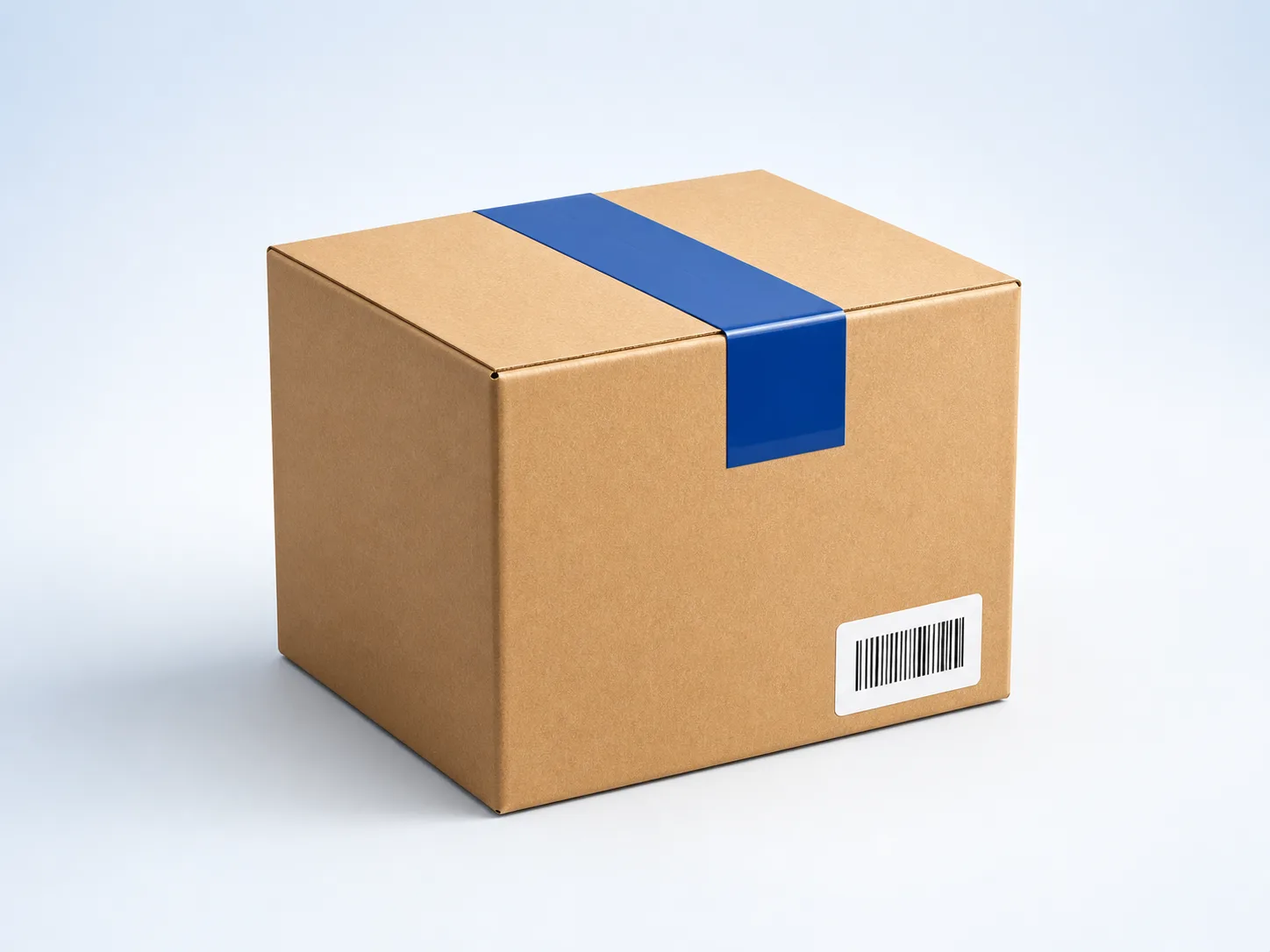
A carton of bottled spirits with an alcohol content label
The wine map does not apply

Nearly every state that welcomes wine still bars spirits, and the ones that do allow it usually cap production and shipment volume.

The nine, with the strings attached

Every permitting state ties the license to production scale, volume per consumer, or both. The California program is the newest and one of the tightest. The following is the working list as of the read date; the picture shifts as state legislatures move on new bills.

US direct-to-consumer spirits shipping status. Compiled from Avalara “State-by-state guide for shipping spirits DTC” and Clark Hill's California AB 1246 analysis, both read 2026-08-11. Confirm current status against a compliance vendor before shipping.
JurisdictionWho may shipVolume / production limits
AlaskaLicensed producers, subject to local dry-community bansAdult signature required; delivery prohibited in dry communities
ArizonaCraft distilleries producing under 20,000 gallons annuallyPer-consumer volume cap set by license class
California (pilot)Craft distillers producing under 150,000 gallons annually, at least 65% self-manufactured2.25 liters (three 750 ml bottles) per consumer per day, in effect Jan 1, 2026 through Jan 1, 2027 under AB 1246
District of ColumbiaLicensed distilleries and retailers under DC ABCA rulesAdult signature required
KentuckyKentucky-licensed distilleriesVolume caps per shipment and per year defined by permit class
NebraskaLicensed direct shippersPer-consumer volume caps under state permit
New HampshireLicensed producers, subject to local dry-community bansFulfilment routes through the NH Liquor Commission where required
New YorkCraft distilleries producing under 75,000 gallons annually, in NY or a reciprocal statePer-consumer volume caps; program made permanent August 2024
North DakotaLicensed direct shippersVolume caps under the direct-shipper permit
Rhode IslandLicensed distilleriesBuyer must be physically on distillery premises at time of order

Nevada eliminated DTC spirits shipping as of July 1, 2021, per Avalara's tracker. Any state not in the table above prohibits direct-to-consumer spirits.

Why the spirits map is smaller than the wine map

A little over 45 states plus DC allow direct-to-consumer wine in some form. Spirits sit at nine jurisdictions plus Rhode Island's on-premises exception. The gap has three drivers.

Higher federal excise

Federal excise tax on spirits is more than triple the rate on wine at the standard tier. States protect their own tax collection by routing spirits through the three-tier wholesale system rather than allowing distiller-to-consumer sales that skip a wholesale hop.

Control states

Seventeen US states run all or part of the retail spirits market through a state monopoly. Direct shipment from a distillery would compete with the state itself; most control states will not legislate it in.

Wholesaler pushback

Every DTC bill puts pressure on the wholesaler tier's exclusive supply relationship with retail. The states that have moved recently are the ones where the craft distiller lobby was organized enough to counterweight it.

The California pilot, spelled out

California's law is worth reading in full before you rely on it. AB 1246 authorizes spirits DTC only from January 1, 2026 through January 1, 2027, as a one-year pilot. To qualify, an in-state or out-of-state distillery must produce under 150,000 gallons a year and self-manufacture at least 65% of the product. The shipper holds a Distilled Spirits Direct Shipper Permit issued by the California Department of Alcoholic Beverage Control.

Per shipment, the cap is 2.25 liters to one consumer per day — three 750 ml bottles. Every carton carries the exact California warning language: “CONTAINS ALCOHOL: SIGNATURE OF PERSON AGE 21 YEARS OR OLDER REQUIRED FOR DELIVERY.” Out-of-state distillers must report total California shipments by January 1, 2027, and comply with Proposition 65 and California Redemption Value labeling on top of the direct-shipper rules. Whether the pilot extends past January 2027 depends on the data California collects during the year.

Ground rules that apply everywhere

Adult signature 21+

Every permitting jurisdiction requires the carrier to verify recipient age against a government-issued photo ID before releasing the parcel. FedEx and UPS run this via their contract alcohol programs; USPS does not carry spirits.

Labeled outer carton

The exact warning wording varies by state, but the pattern is the same: a conspicuous notice in at least 16-point type on the outside of the box that contains alcohol and requires 21+ signature.

Excise and sales tax

Every state that permits DTC treats each shipment as a taxable in-state sale. Excise, sales and often local taxes are the shipper's responsibility, filed on the permitting state's schedule.

If a customer's state is not on the list

Refuse the order or route it through a licensed retailer inside the customer's state. There is no legal work-around for a private shipper to send spirits to a prohibited state, and both FedEx and UPS reject direct-to-consumer spirits pickups in destinations they do not cover. Non-beverage merchandise from the same distillery — glassware, mixers, gift boxes without alcohol — ships as a normal parcel through the calculator.

Where these rules come from

State alcohol law changes without notice, and a compliance vendor's tracker sometimes updates weekly. Do not build a DTC spirits program from a summary page; consult the state alcohol authority and your compliance vendor before every launch or expansion.

Common questions

How many states allow direct-to-consumer spirits shipping in 2026?

Nine jurisdictions in 2026: Alaska, Arizona, California (one-year pilot under AB 1246), District of Columbia, Kentucky, Nebraska, New Hampshire, New York and North Dakota. Rhode Island permits shipments only when the buyer is on the distillery premises.

What is different about California?

California AB 1246 authorizes spirits DTC only from January 1, 2026 through January 1, 2027 as a one-year pilot. It caps shipments at 2.25 liters per consumer per day, requires a Distilled Spirits Direct Shipper Permit, and applies to craft distillers producing under 150,000 gallons a year that self-manufacture at least 65% of the product.

Can any distillery use these programs, or only small craft ones?

Most permitting states cap the license to craft-scale distillers. Arizona limits it to under 20,000 gallons of annual production; New York, to under 75,000 gallons and to craft distilleries in New York or reciprocal states; California, to under 150,000 gallons with a 65% self-manufacturing rule.

Do UPS and FedEx carry spirits DTC?

Yes, on their contract alcohol programs, for licensed shippers only. Both carriers require adult signature 21+ with a government-issued ID at delivery. USPS refuses beverage alcohol from any private shipper and does not carry spirits.

Where can I find the current list for a given month?

Sovos ShipCompliant, Avalara and DISCUS publish state-by-state matrices, and both compliance vendors update them when a legislature acts. This page cites the sources it was built from and their read date; a monthly re-check is a normal cost of running a compliant DTC program.