Exhibit freight

Trade show shipping, and the second invoice

Show freight is the one lane where a correct carrier quote is still a misleading number. Your carrier is paid to move the crate to a building. A different company, appointed by show management, is paid to move it from that building's dock to your booth, keep your empties somewhere during the show, and bring everything back at teardown. That second company bills you by weight, in both directions, on an invoice you have not seen yet.

Contractor rules citedSources read 2026-07-29Crates quoted by a person
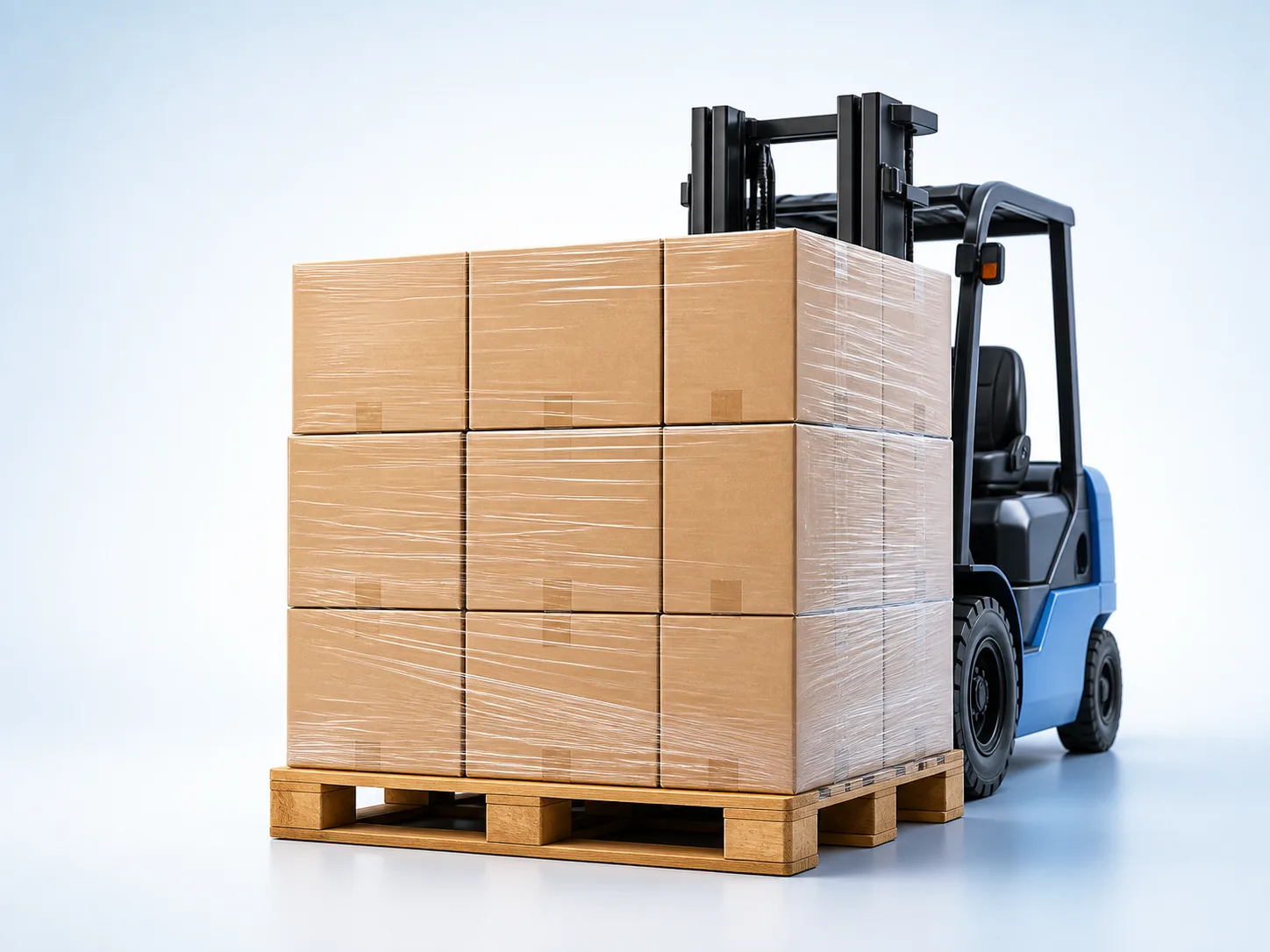
Palletized freight staged for loading
Two companies, two bills

The carrier's job ends at the dock. Everything after the dock is material handling, and it is priced separately.

Two ways in, two deadlines

Every show gives exhibitors a choice of receiving points, and the choice sets your deadline rather than your route. The advance warehouse is a location set by show management to take freight before the event opens; it starts accepting on a published date, holds material for up to 30 days ahead of move-in, and the contractor delivers it to your space at your assigned target time. Material that turns up after the published warehouse cut-off is still received, with an after-deadline charge attached.

Direct to show site skips the warehouse and lands at the venue dock, which sounds cheaper until you look at what it costs to be wrong. Direct freight has to arrive inside a target date and time, not on a day. Miss it and you are queuing behind everybody else's late truck, in a building where the labor clock is already running.

What goes on the bill of lading differs between the two, and getting it wrong is the most common way exhibit freight goes missing. UPS's own trade show guidance asks for a deliver-by date on the bill of lading for advance warehouse shipments, and a target move-in date on the bill of lading when shipping straight to show site, with the booth number and a phone number on both the bill of lading and every label, and all old labels stripped off first. Freeman adds the marshalling location to the list of show details your carrier needs before it dispatches.

Comparison compiled 2026-07-29 from the Freeman and UPS documents linked at the foot of this page. Individual shows publish their own dates and rates in the exhibitor service kit.
Receiving pointWhat the deadline looks likeWhat it costs you to be late
Advance warehouseA window: receiving opens on a stated date and closes on a stated date, up to 30 days before move-inAn after-deadline charge, and the freight still arrives
Direct to show siteA target date and time inside move-inWaiting at the yard, overtime labor, or a truck that leaves loaded

Material handling is not shipping

Freeman, one of the larger general service contractors, sets its own definition out in a public exhibitor guide, and it is worth reading as a price list rather than a description. Material handling covers unloading your exhibit materials, storing them for up to 30 days before the event at the warehouse address, delivering them to your booth, storing empty containers during the show, and reloading everything onto your outbound carrier afterwards. The guide then says it directly: “Material handling is not the same as shipping exhibit materials to and from the event, as both services typically have separate charges.”

That is the whole reason a normal LTL quote understates a show move. The quote is honest about the part the carrier performs. The dock-to-booth leg, the empties, and the booth-to-dock leg at teardown are a separate service from a separate company, quoted in the show's exhibitor kit and billed on the weight of what you sent, rounded up, usually in both directions. Nothing you negotiate with a carrier touches it.

One more rule that surprises first-time exhibitors: outbound freight needs a completed material handling agreement before it leaves the event, whatever carrier is collecting it. No form, no release.

The surcharges that move the number

Special handling

Freeman's glossary defines it as material delivered so that extra handling is needed — ground unloading, stacked or constricted-space unloading, designated piece unloading, mixed loads with pad-wrapped material, shipments that lost their integrity in transit, carpet-only loads. The same entry states that FedEx and UPS deliveries are included in the category because of how they deliver.

Uncrated freight

Anything loose, pad-wrapped or on unskidded machinery without lifting bars is uncrated in the contractor's language, and priced accordingly. Palletizing loose pieces before tender is the cheapest fix on this list.

Overtime hours

Freeman describes overtime as work before 8:00 a.m. and after 4:30 p.m. Monday to Friday, plus all hours on Saturdays, Sundays and holidays, varying by city. Your target time, not your preference, decides which side of that line the crew is on.

Two more worth building into the plan. A carrier that splits your shipment in transit can produce more than one material handling charge at the far end, because each arrival is handled as its own delivery — Freeman's cost guidance tells exhibitors to pick a carrier that will not split freight for exactly this reason. And a shipment tendered without a certified weight invites a billing dispute you will lose at the show, so weigh before it goes.

What actually brings the total down

The contractor publishes its own cost-saving advice, and it is unusually candid because most of it costs the contractor nothing. These are the items on that list that reliably change the invoice, in rough order of how much they change it.

  • Ship less weight. Material handling is billed on weight, so a fabric graphic instead of a hard panel takes money off the invoice twice, once each way.
  • Consolidate small cartons into one larger shipment instead of sending eight parcels that each get handled and charged.
  • Palletize anything loose so it is crated rather than uncrated when it hits the dock.
  • Use the advance warehouse where the alternative is a direct delivery that pushes install labor into overtime.
  • Read the exhibitor service kit for targets, move-in times and handling rates before booking transport, not after.
  • Ask your carrier in writing about waiting time, fuel and accessorial charges specific to show work, and give it the event name, booth number, marshalling location and target dates.
  • Ask about a rate against the standard class 125 basis that exhibit material is normally rated on.
  • Rent the exhibit locally where the numbers allow, which removes material handling, transport and storage in one decision.
  • Freeman, Understanding the Process of Freight, exhibitor guide, 2024, freeman.com, read 2026-07-29.
  • UPS Trade Show Services brochure, 2015, ups.com, read 2026-07-29.

How we price a show move

Crates, pallets and anything past parcel size go through our freight review, where a person prices the lane and the timing together. That is deliberate. A parcel engine can price a box between two postcodes; it cannot model a target window, a marshalling yard check-in or a contractor's handling rate, and quoting a show move as though those do not exist is how exhibitors end up short at teardown.

Cartons that genuinely are parcels — literature, giveaways, a spare monitor — can be priced and labeled in the calculator in the usual way, from Berkeley Heights, NJ or anywhere else. Just count the handling charge that follows them at the venue before deciding the parcel route is the cheap one.

Send crate dimensions for review Price a parcel-size carton

Common questions

What is drayage at a trade show?

It is the show contractor's material handling service, and Freeman's published description covers unloading, storing your crates for up to 30 days at the warehouse address, delivering them to your booth, holding your empties through the show and reloading everything onto your outbound carrier afterwards. Freeman states plainly that this is not the same as shipping and that the two services typically carry separate charges.

Advance warehouse or direct to show site?

Advance warehouse when you can. It buys a delivery window measured in days instead of hours, and Freeman's cost guidance says advance shipping can be less expensive where direct delivery drags labor into overtime. Direct to show site only makes sense when the crate is finished too late for the warehouse cut-off or the show has no advance receiving.

Why does the freight quote come in under the real cost?

Because a carrier quote is a dock-to-dock number. Everything from the dock to your booth and back belongs to the show contractor and reaches you on a different invoice, billed on weight in both directions, with surcharges for after-deadline arrival, uncrated freight, special handling and overtime hours sitting on top.

Can I just send boxes by UPS or FedEx to my booth?

You can, and it is routinely the most expensive way to move a small load. Freeman's published glossary lists parcel deliveries from those two carriers inside its special handling category because of how they deliver, which means the cheap-looking parcel rate is followed by a surcharged handling charge.

What is a marshalling yard?

A staging lot away from the venue where inbound trucks check in and wait to be called to a dock during move-in. Freeman tells exhibitors to give their carrier the marshalling location along with the target dates, and to ask that carrier about waiting time fees before booking.