Temperature-controlled freight

Refrigerated trucking

A reefer is a trailer with its own refrigeration unit, run at a temperature you name for the whole trip. It is not a freezer with wheels, and the difference decides whether your load arrives sellable. Below: what the equipment can and cannot do, the fields a carrier needs before a number means anything, and where a chilled LTL pallet stops being the right answer.

USDA handbook citedTariff item quotedPriced by a person
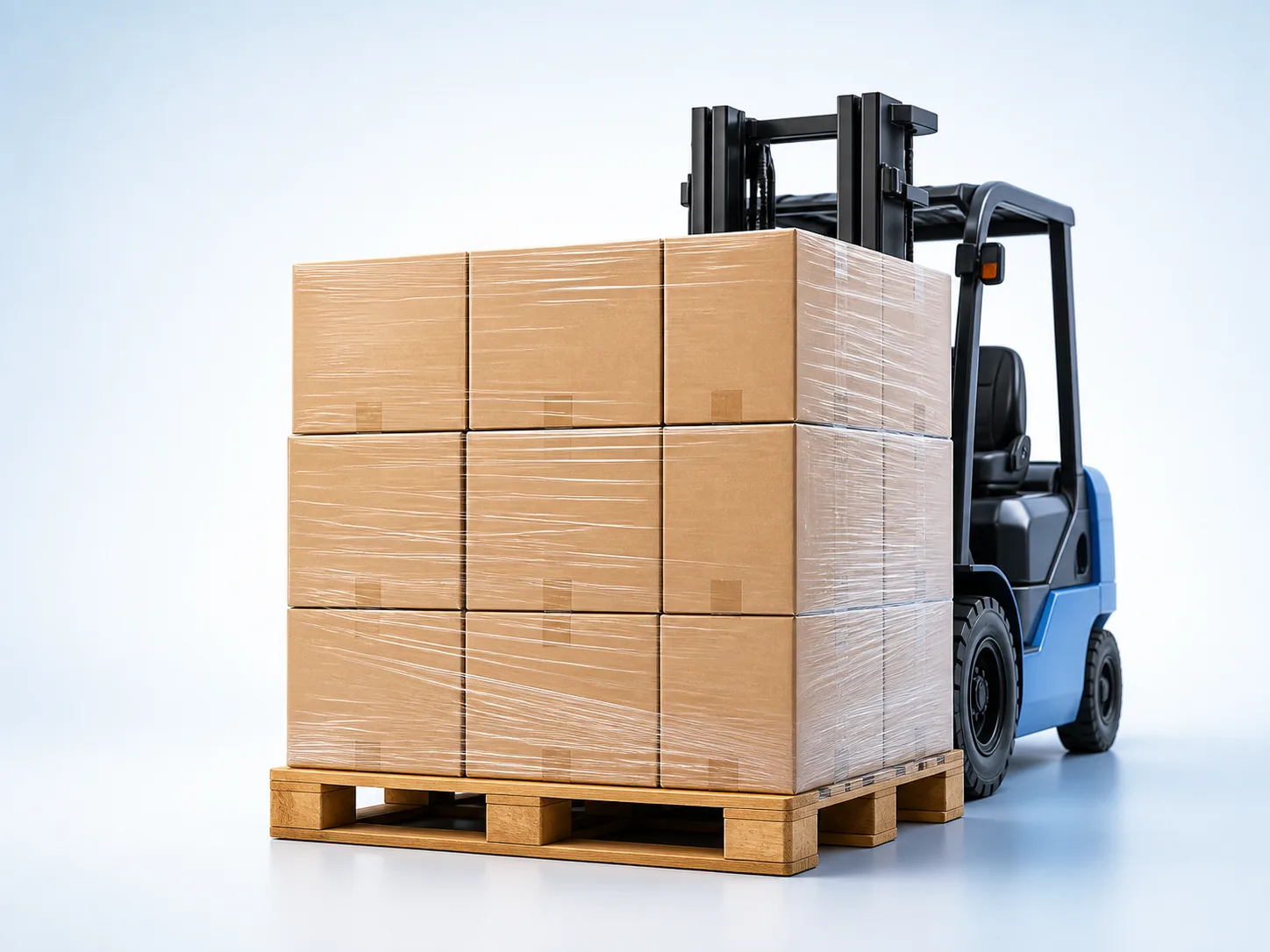
Palletised freight staged for a temperature-controlled trailer
The setpoint is your decision

Carriers run the number you give them. Nobody on the truck knows what your commodity should sit at.

What we price directly, and what goes to a person

Straight scope before anything else. Domestic parcel labels are sold here at checkout, immediately, with no account. Temperature-controlled freight is not: a reefer load goes through the freight review form and a human being puts a number on it. We arrange the move and do not own trailers, refrigeration units or cold storage, and nothing on this page describing how a reefer behaves is a description of equipment we operate.

If the shipment is small enough to travel as a chilled parcel with gel packs or dry ice, that is a different and much cheaper problem, and it is covered on shipping cold food and shipping with dry ice.

A reefer holds a temperature, it does not create one

This is the single most expensive misunderstanding in cold freight. USDA's handbook on protecting perishables in truck transport, public domain and still the plainest source on the subject, is blunt about the size of the machine you are renting.

Reserve capacity, not spare capacity

USDA describes most truck units as having "enough reserve capacity to remove a reasonable amount of heat in addition to respiration heat and heat transferring through the vehicle body". Reasonable is doing a lot of work in that sentence.

Field heat is your job

The handbook says that where product is much warmer than its transit temperature at loading, the whole heat load should be estimated, and that a trailer rated below that load should not be used at all.

Pre-cooling takes hours

The recommended method is to set the thermostat, close the doors and run the unit until heat transfer through the body stabilises. USDA puts that at two or more hours in hot summer weather.

Source: USDA Agricultural Marketing Service Handbook 669, Protecting Perishable Foods During Transport by Truck, September 1995, reprinted July 2008, published at ams.usda.gov and read 2026-07-28. The same document carries a preloading checklist covering thermostat calibration, air chutes, door seals, bulkhead and floor drains, which is worth handing to whoever loads the trailer.

What a carrier needs before it can quote

Reefer pricing carries every field a dry freight quote needs and then a second layer on top. Anything left blank is filled in by the carrier at its own convenience, and on temperature-controlled work the assumptions are expensive.

The reefer-specific fields, on top of the ordinary freight details. Requirements marked as regulatory are quoted from 21 CFR 1.908 at law.cornell.edu, read 2026-07-28.
FieldWhat to sendWhat happens when it is missing
SetpointA number in Fahrenheit, plus the tolerance you can live with either side of it.The carrier picks a default. Frozen and chilled defaults are far apart, and one of them ruins the load.
Run modeContinuous, or the start-stop mode that lets the unit cycle off once it reaches the setpoint.Cycling saves fuel and lets air temperature drift. Fresh produce and most pharma work want continuous.
Pre-cool instructionWhether the trailer must be down to setpoint before the doors open, and how long you will give the driver to do it.Under 21 CFR 1.908(e)(3) a carrier pre-cools "as specified by the shipper" — specify nothing and nothing is owed.
Product temperature at loadingThe pulp temperature you will actually be handing over, not the one you intend to reach.The trailer inherits your field heat and the arrival temperature is argued about in a claim instead.
Temperature recordWhether a recorder rides with the load and who gets the download.Under 1.908(e)(2) the carrier must be able to show it held the specified temperature, by ambient readings at loading and unloading or by time and temperature data. Without a device the argument is verbal.
Sanitary conditionPrior-load restrictions, washout requirements, and whether food-grade condition has to be certified.Trailers carry what they carried last. Odour transfer into dairy and produce is a real and unrecoverable loss.
Loading patternPallet count, footprint, whether the load is centre-loaded or floor-loaded, and whether air chutes and a front bulkhead are required.Air stops circulating, the top layer freezes and the bottom layer sits warm.
Appointment windowsFirm windows at origin and destination, plus who loads, who unloads and whether a lumper is involved.The clock on a dedicated trailer is billable from the moment the driver arrives.

The ordinary freight fields still apply underneath all of this: gross weight per handling unit, dimensions of the wrapped load, commodity description, and both full addresses with hours. That list, with what changes between an LTL pallet, a full trailer and a container, is on our what to send a carrier first page.

The written specification the rule expects

For food, the temperature is not merely commercial detail; it is a written instruction the shipper owes the carrier. The Sanitary Transportation rule under the Food Safety Modernization Act sits at 21 CFR Part 1, Subpart O.

Requirements read from 21 CFR 1.908 at law.cornell.edu and from the FDA rule summary at fda.gov, both on 2026-07-28. Exemptions apply and the citations below are the operative ones for a shipper.
ParagraphWho it bindsWhat it requires
1.908(b)(2)ShipperSpecify to the carrier, in writing, "an operating temperature for the transportation operation including, if necessary, the pre-cooling phase".
1.908(e)(3)CarrierPre-cool each mechanically refrigerated cold storage compartment as the shipper specified.
1.908(e)(2)CarrierDemonstrate that the specified temperature conditions were held, for example by ambient measurements at loading and unloading or by time and temperature data taken during the trip.

FDA's own summary of the rule sets out the exclusions, which include businesses under 500,000 dollars in average annual revenue and, for motor carriers, small businesses under 500 employees. Falling outside the rule does not make the temperature less important; it only means nobody else is writing the instruction for you.

Freeze protection on a dry van is a different product

Shippers with a pallet or two often ask a general LTL carrier for temperature control and are offered protection from freezing instead. The two are not interchangeable, and the carrier's own tariff says so.

It is conditional

Item 810 of Old Dominion's rules tariff calls it "a limited protective service against freezing that depends on the availability of sufficient and proper equipment and the day of the week on which the shipment will move", with the shipper told to check with the local service centre in advance.

It lives on the bill of lading

The same item requires the words "Protect From Freezing" on the first page of the bill of lading. Without a clear intention stated there, the tariff removes the carrier's liability for damage caused by the protection not being furnished.

It has exclusions

Item 810 states the service will not be provided on shipments subject to shipper load and count. Load your own trailer and seal it yourself, and this service is off the table.

Quoted from Tariff ODFL 100-Q, effective April 14 2025, published at odfl.com and read 2026-07-28. Read it as the shape of the product across the LTL industry rather than as one carrier's quirk: heaters and blankets keep freight above freezing, and holding a chilled band all the way through a terminal network takes a temperature-controlled LTL network, which is a smaller and more expensive set of carriers.

Common questions

What does refrigerated trucking actually mean?

A trailer carrying its own mechanical refrigeration unit, held at a temperature the shipper names for the length of the trip. The unit is sized to hold a temperature rather than to pull a warm load down to one.

What has to be in the request before a reefer load can be priced?

Commodity and packaging, the setpoint in Fahrenheit, whether the unit runs continuously or cycles, pallet count with gross weight per pallet, appointment windows at both ends, who loads and who unloads, and whether a temperature recorder has to travel with the freight.

Is protect from freezing the same as refrigeration?

It is not. Old Dominion's rules tariff describes a limited protective service against freezing that depends on equipment being available and on the day of the week the shipment moves, using cargo heaters and blankets. That keeps freight off the bottom of the scale; it will not hold produce at a chill temperature.

Does the trailer have to be pre-cooled before loading?

Whenever the shipper specifies it. Under 21 CFR 1.908 a carrier must pre-cool each mechanically refrigerated compartment as the shipper specifies, and USDA guidance notes that stabilising a trailer body at the setpoint can take two or more hours in hot summer weather.

Can a temperature-controlled move be booked at checkout?

No. The parcel checkout prices boxes; a reefer load is priced by a person. Send it through the freight review form with the setpoint and both appointment windows already filled in and it gets routed from there.