Pallet cover

Freight insurance: what an LTL carrier actually owes you

A pallet is not covered for what it is worth. It is released at a figure per pound, read opposite the class you billed, multiplied by the weight of the packages that were hurt, and then cut again by lists of commodities most shippers never open. That arithmetic is the whole subject. This page runs it on one pallet using a carrier's own rules tariff, read 2026-07-28, and says where buying separate cargo cover earns its place. No prices here: a pallet is quoted by a person.

Rules tariff quotedEffective date givenFederal claim windows cited
Stretch-wrapped pallet staged on a dock
Pounds, not dollars

The carrier's exposure is measured in weight against a class. Your exposure is measured in what the goods cost. The gap is the decision.

Four ceilings, and the lowest one wins

The source below is AAA Cooper Transportation's Item 570, headed Limited Liability and Full Value Coverage, Cargo Loss or Damage, published within the AACT 190 Rules Tariff on aaacooper.com, effective 22 December 2025 and read 2026-07-28. Another carrier's numbers differ; the machinery is the same at every LTL carrier in the country, and the item starts by pointing at federal law, stating that carrier liability is determined under the Carmack Amendment at 49 USC 14706 and that claims are processed under 49 CFR 370.

The four limits Item 570 measures a claim against, from the AACT 190 Rules Tariff on aaacooper.com, effective 2025-12-22, read 2026-07-28.
CeilingWhere the figure comes fromWho set it
Actual invoice valueWhat the goods cost, documentedYou, with paperwork
The limitation written on the bill of ladingWhatever release was agreed at tenderYou, or a broker acting as your agent
Released or actual value provisions in the classificationThe commodity's own item in the NMFC 100 seriesThe classification
The class table inside the tariffA per-pound figure read opposite your rated classThe carrier

In the event more than one limit of liability rule may apply to a shipment, the rule with the lesser maximum limit of liability will apply.AAA Cooper Transportation, Item 570, AACT 190 Rules Tariff, aaacooper.com, read 2026-07-28

Read that twice before you write a value on a bill of lading. The four ceilings do not add up and they do not average out. The claim is settled against whichever of them is lowest, and one careless line on the document can be the one that wins.

The arithmetic on one pallet

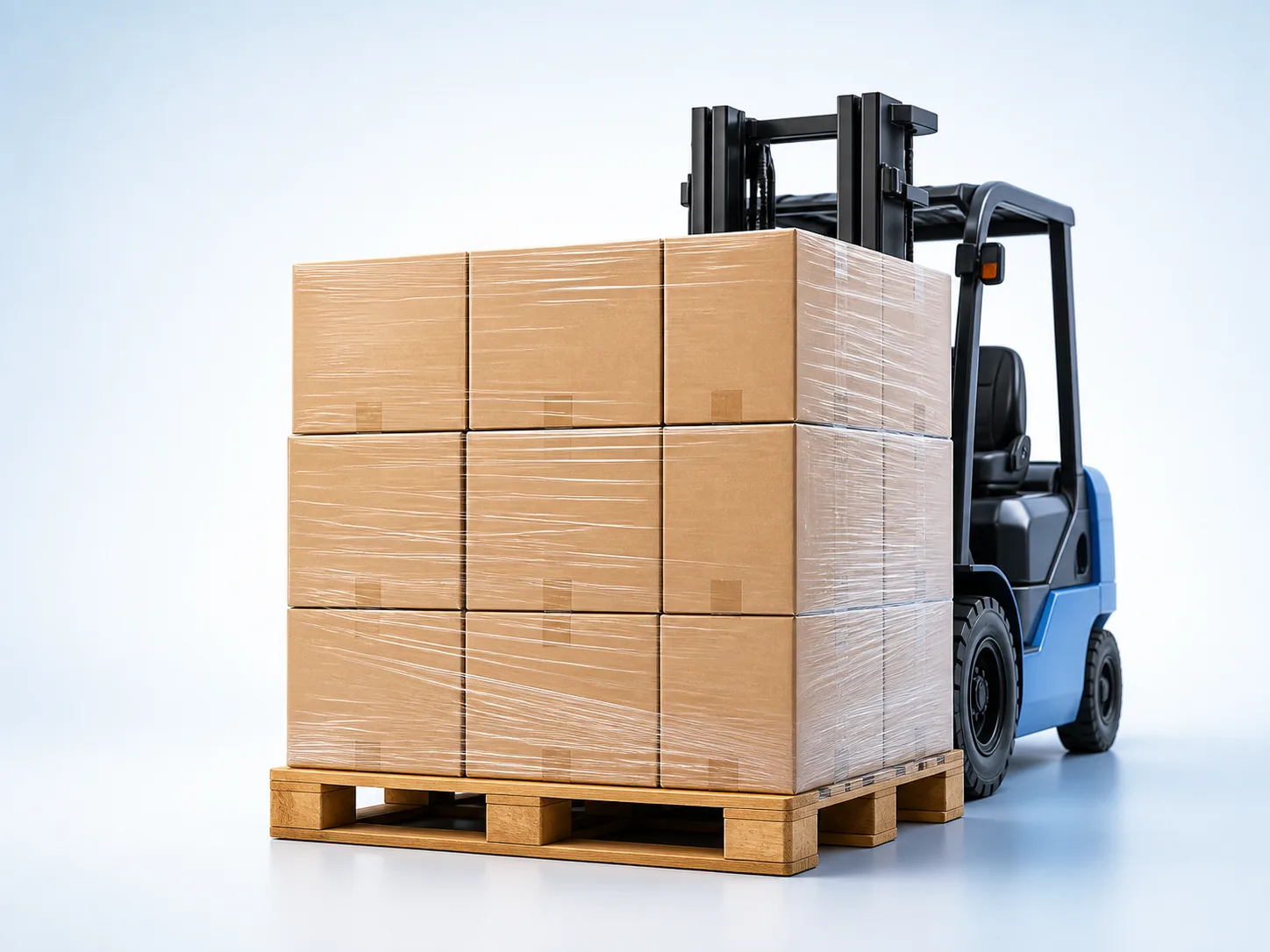
Take a real load: one 48 by 40 inch pallet, stretch-wrapped at 55 inches tall, holding 620 pounds of electric motors on a 40 pound pallet, billed at class 100. It falls off a forklift in a cross-dock and the whole unit is a write-off. Here is what the tariff does with it.

  1. Start with the weight that counts. The item excludes the weight of packaging, shipping containers, pallets and skids from the calculation. The multiplier is 620 pounds, not 660, and on a heavy crate that distinction is worth more than it sounds.
  2. Read the figure opposite your class. The tariff prints a two-column table: rated class on the left, maximum liability per pound on the right. Find the row for class 100 in the carrier's own copy, multiply it by 620, and that product is the top of what a total loss can pay.
  3. Check whether a lower rung applies. If those motors were rebuilt, reconditioned, remanufactured or refurbished, the item classes them as other than new and releases them at a token per-pound figure, far below the class ladder, on all such commodities. It names the machinery, automobile parts, electrical equipment and motor vehicle parts groups by NMFC item range, so the answer is not a judgment call.
  4. Check the named list. Item 570 also reduces liability on a long roster of ordinary goods: televisions, furniture, cabinets, countertops, windows, garage doors, glass products, solar panels, sinks and toilets, ladders, copiers, carpet, signs, aircraft parts. Any article eight feet or longer is cut again on top of that.
  5. Check who else touched it. Where the move connects with another motor, water or rail carrier, the lesser of the two carriers' maximum liability provisions governs the whole shipment. An interline that saved a day can halve the ceiling.

The number you reach at the end of those five steps, and not the invoice in your accounting system, is what a claim can pay. Work it out before the pallet leaves, because after delivery nobody will let you change it.

Where the ladder stops climbing

The per-pound figures rise as the class rises, which feels fair until you reach the top. In this tariff the highest classes share a single figure, so a pallet rated at class 250 and a pallet rated at class 500 are released at exactly the same amount per pound even though one is paying far more freight than the other. High class buys you a rate column, not a bigger recovery. The same shape shows up at the bottom: dense, cheap-to-carry freight sits on the lowest rung of the ladder, which is why a heavy pallet of low-class goods can be the worst-covered thing on the trailer per dollar of value.

One clause deserves its own line, because it decides a lot of shipments for the people who read this site. Item 570 limits liability on property purchased or sold through internet-based marketplaces, naming eBay and Amazon among them, to the same token per-pound figure it uses for used goods. If your pallet is marketplace inventory, the class table is decoration.

What kills a claim before anyone reads it

A vague description prices you down

Where the bill of lading says freight all kinds, or otherwise fails to identify what is on the pallet, the item settles later claims for shortage or damage on the lowest value of any commodity in the shipment. Describing the goods properly is free and it is the cheapest protection on this page.

Packaging is a defense, not a detail

The item requires packaging to meet classification standards and treats a failure as an act of shipper, which sits in the same list of defences as act of God, riots and inherent vice of the goods. Damage traced to how you wrapped it is not a claim, it is a refusal.

A clean signature moves the burden

Sign for the pallet without noting anything and later damage becomes concealed damage, which the item says shifts the burden of proof onto whoever is claiming to show it happened while the carrier held the freight. Ten seconds with a pen at the dock is worth more than any wording.

Unbroken wrap ends the argument

Where a shipment is signed for as wrapped skids and arrives with the original wrap intact, the item states the carrier assumes no liability for loss or damage found inside, at delivery or afterwards. Count the pieces before the wrap goes on and photograph the finished unit.

The freight bill stays payable

The item bars the party responsible for the charges from offsetting or delaying payment against a claim. Withholding the freight bill to force a settlement is the one move that reliably makes things worse, and it is written into the tariff in advance.

The clock is federal

Claims go in within nine months of delivery, or of when the goods should have arrived if they were lost. Any lawsuit follows within two years and a day of the claim being declined. A claim is treated as declined the moment it is refused to any extent, so a partial offer starts that clock.

When to buy cover instead

The carrier's own answer is called Full Value Coverage, and it has to be asked for in writing on the bill of lading at the time of shipment, with the invoice value of the goods stated on the document. Item 570 is explicit that a corrected bill of lading or a letter of authority produced after delivery will not be accepted to change the valuation. It is charged per hundred dollars of invoice value with a minimum per shipment, and the amount it covers is the invoice plus the freight charges plus a further ten percent. Commodities worth more per pound than the limits above are treated as extraordinary value and may not be accepted at all without it.

Outside cargo cover from a broker or underwriter is the other route, and the case for it is strongest exactly where the released value collapses: used and refurbished goods, marketplace inventory, anything on the named commodity list, and long articles. The deciding move is the same either way. Work out the ceiling first. If a total loss at that ceiling is a number you can absorb, the question is closed and you have saved a premium. If it is not, the gap between the ceiling and the invoice is what you are choosing to carry yourself, and that is a decision worth making on purpose rather than discovering it at a claims desk.

Where SMKlog fits

We sell U.S. domestic parcel labels straight from the calculator. Our own optional shipping protection is a parcel product: it attaches to an eligible domestic label before the box enters the carrier network, and the cap and the exclusions are written out on our shipping protection page. Pallet, crated and truckload shipments sit outside it and go to a person, because the class, the lane and the carrier's rules tariff settle the exposure long before any cover is priced. Send the dimensions, the weight, the commodity and the two ZIP codes and somebody works it against real tariffs.

Freight cover, asked plainly

Does freight insurance come with an LTL shipment?

No. What rides along is carrier liability, capped per pound per package against the class you billed and cut further by the tariff's exception lists. Cover measured against your invoice is a separate election you make at tender, not something the freight charge includes.

How is LTL carrier liability calculated?

Take the weight of the goods lost or damaged, leave out pallets, skids and packaging, and multiply by the per-pound figure the carrier's rules tariff prints opposite your rated class. The lowest of the invoice value, any limit written on the bill of lading, the NMFC released value and that class figure is the ceiling.

Why is used freight covered for so much less?

Rules tariffs treat rebuilt, reconditioned, remanufactured and refurbished goods as other than new and release them at a token per-pound figure whatever class was billed. AAA Cooper applies the same reduced rung to property bought or sold through internet marketplaces, which catches a lot of resellers.

How long do I have to file a freight claim?

Nine months from delivery, or from the date the goods should have been delivered if they never arrived, with any lawsuit filed within two years and a day of the claim being declined. Those windows come from the carrier's rules tariff and the federal claims regulation at 49 CFR 370.

When is separate cargo cover worth buying?

When the released value would not replace the goods. Work the ceiling out before you tender, compare it with what a total loss would cost you, and elect cover in writing on the bill of lading if the gap is real. The tariff refuses corrected paperwork after delivery.

Does SMKlog quote freight?

We sell U.S. domestic parcel labels directly and hand pallet, crated and truckload requests to a person who prices them against carrier tariffs. Our own optional shipping protection applies to eligible domestic parcels only, with the cap and exclusions set out on our shipping protection page.